In this guide
Use different transport for different parts of the trip
You do not have to choose one transport method for the entire holiday. A coastal stay can combine walking, local buses, taxis and boat excursions, while a rental car or arranged transfer may be more useful for a mountain segment. Start with the places you want to sleep and the activities you want to reach.
The best plan accounts for the final kilometre as well as the main journey. A bus to a town does not solve access to a remote cabin or trailhead. A hotel with parking does not provide parking at a crowded beach. Our where-to-stay guide helps connect accommodation choices with ordinary daily movement.
| Transport | Useful for | Main trade-off |
|---|---|---|
| Walking and local buses | A well-chosen town or coastal base | Current return schedules and the final walk |
| Intercity buses | Moving between main towns | Less flexibility for remote trailheads and rural rooms |
| Rail | Journeys on the actual rail corridors | No direct rail service to every coastal resort |
| Rental car | Dispersed villages, stays and independent routes | Parking, narrow roads and seasonal conditions |
| Private transfer | A specific arrival or difficult connection | Agree the full price, pickup and any child seat |
| Guided excursion | Interpretation or an activity with complex logistics | Actual pickup area and time at the destination |
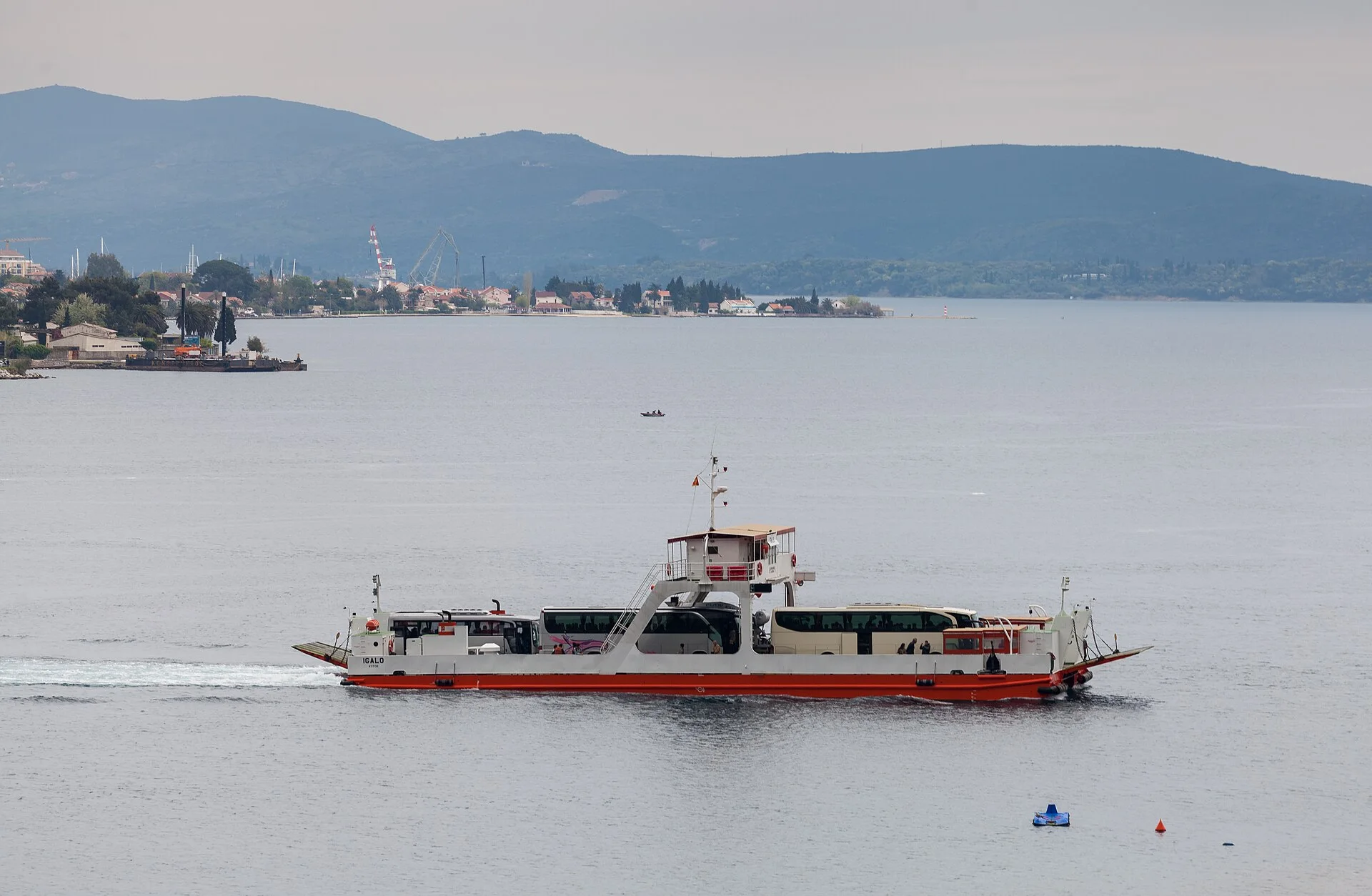
| Kamenari–Lepetane ferry | A practical crossing within the bay | It is transport, not a sightseeing itinerary |
Driving gives flexibility and responsibilities
A car can make rural accommodation and dispersed sights easier, but narrow roads, steep terrain and coastal congestion can demand attention. Choose routes according to driving confidence and current conditions rather than automatically accepting a navigation app's shortest option. A scenic mountain road should be a deliberate choice.
Check the rental agreement for deposits, insurance, authorised drivers and cross-border permission if relevant. Confirm parking at each accommodation and ask about the final access road. For winter or high-country travel, obtain current equipment and road-condition advice; a normal summer rental arrangement should not be assumed suitable for every season.
Buses work best with a verified return
Intercity and local buses can support a car-free trip between many towns. Check current departures, the actual station or stop and any ticket or luggage procedures. A route shown in a planner may not operate at the same frequency throughout the year, so verify the service for the day you intend to travel.
Before taking a day trip, establish the return options and leave room for delays. A late taxi can erase the savings of an outward bus if you miss the final practical connection. Choose itineraries around a few accessible bases rather than copying a self-drive route with many rural stops.
Understand where trains help
Rail can be useful on the corridors serving places such as Bar, Podgorica and the northern route, with a separate connection towards Nikšić. It is not a railway network along every popular coastal resort, so do not expect a direct train to Kotor or Budva. Check the rail operator's current timetable and reservation information.
When a train forms part of your journey, confirm the station location and onward transport. Allow time for luggage and any connection rather than treating a scheduled arrival as a guaranteed minute. A rail journey can be part of the experience when the itinerary gives it enough room.
Use the bay ferry and taxis for their actual purpose
The Kamenari–Lepetane ferry is a practical crossing at the narrow part of the Bay of Kotor. It can shorten a road route, but it does not replace a sightseeing cruise or provide a direct service between every waterfront town. Check current operation and allow for queues when connecting to a flight.
For taxis or private transfers, agree the route, price basis, luggage and pickup location clearly. Historic centres may require a short walk from the vehicle. If you need a child seat or an accessible vehicle, request the specific arrangement in advance and obtain confirmation rather than relying on a general service description.
Let tours solve the right transport problem
A guided excursion can be useful when it adds interpretation or reaches a place that would be complicated independently. Compare the actual pickup area and time at the destination. A tour that collects passengers from many hotels can involve more travel than its headline activity suggests.
For outdoor activities, ask whether the transport reaches the true trailhead, pier or rafting start and how the return is handled. Keep the final day before departure conservative, especially when coming from the north. Our tour guide and getting-there guide help join those parts into a reliable holiday.
Experiences for this part of your trip
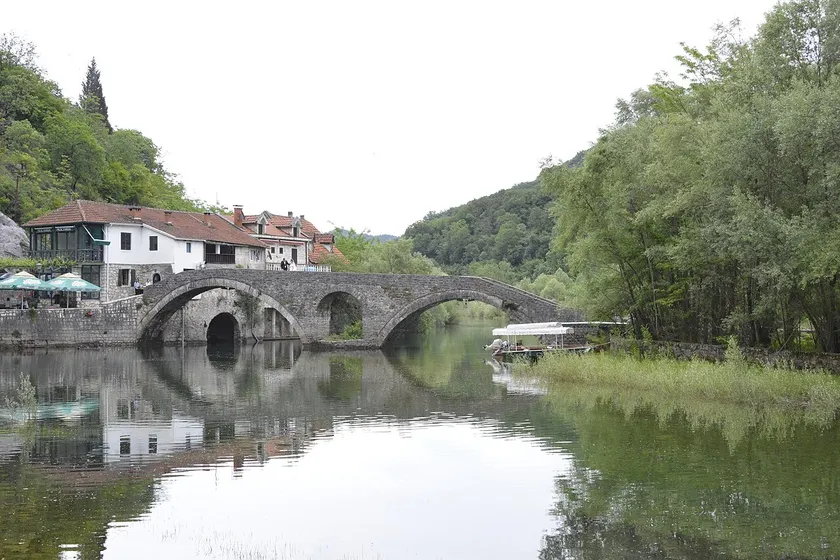
Montenegro highlights and lake cruise from Budva or Kotor
Use a guided day outside the coastal resort towns to understand how quickly Montenegro’s scenery changes. The product combines an inland sightseeing route with a lake cruise and departures advertised from Budva or Kotor. Compare its current stop list against your other plans so you do not duplicate a separate lake outing or spend two days covering the same roads.
Before you book
Confirm the selected pickup town, exact lake route, admission charges and meal arrangements in the current option. Expect a substantial day in a vehicle.
Family considerationsAsk about child seats, boating safety equipment and the actual time between breaks. A highlights itinerary is less flexible than a private family outing.
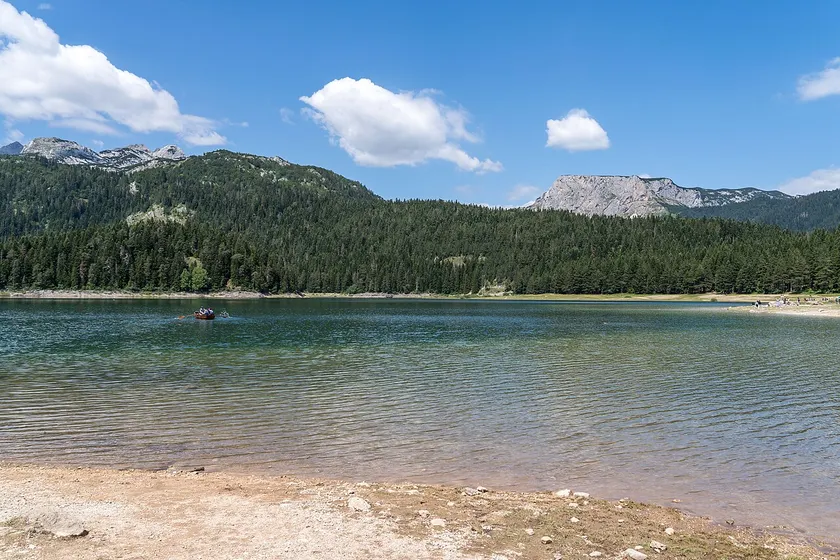
Durmitor, Black Lake, Tara and Morača from the coast
Travel inland for a broad introduction to Montenegro’s canyons and high country. The published circuit includes the Morača area, Tara Bridge and Black Lake near Žabljak, with much of the day spent connecting these distant stops. Choose it when you want a guided overview without moving hotels; stay in the north instead if your main aim is hiking or unhurried exploration.
Before you book
The listed duration is about thirteen hours. Confirm pickup, meal and park charges, and do not confuse a viewpoint towards Ostrog with a monastery visit.
Family considerationsLong road sections and a late return can be tiring. Ask about child seats, breaks and alternatives before booking with young children.
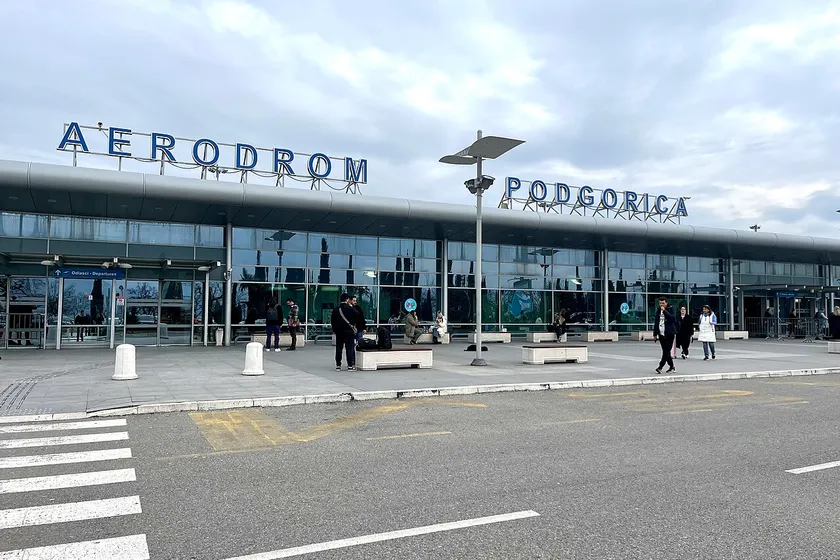
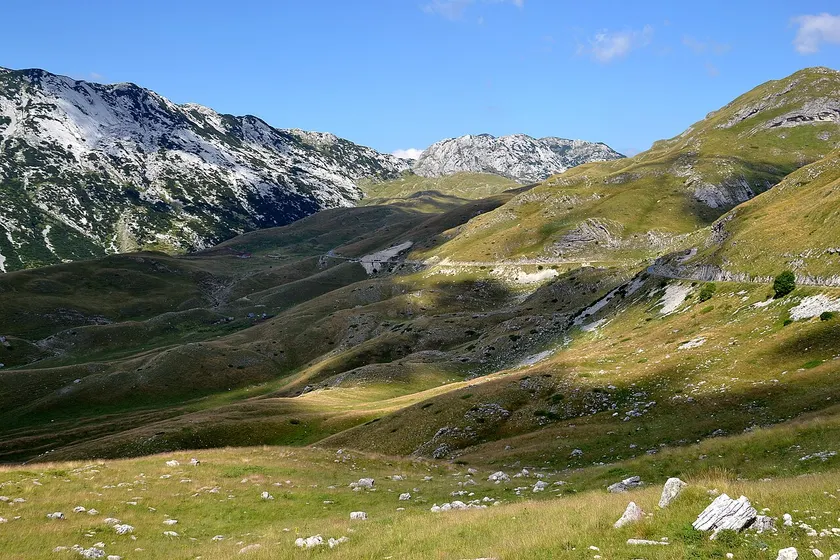
Destination photograph for illustration; not a photograph of the named tour operator or hotel. Open the image credits for the exact location and creator. Some tour links are affiliate links. If you book through them, ExploreMontenegro.com may earn a commission at no extra cost to you. Check live prices, inclusions, age rules and cancellation terms on the provider’s listing.
Frequently asked questions
Can I visit Montenegro without renting a car?
Yes, especially with well-chosen coastal or town bases, verified buses and selected transfers or tours. Rural and trailhead access needs more planning.
Does the train serve Kotor or Budva?
No direct rail service should be assumed to those resorts. Plan the onward road connection from the relevant rail corridor.
Is the Kamenari–Lepetane ferry a sightseeing cruise?
No. It is a transport crossing. Use a separate boat excursion if your aim is waterfront sightseeing or island visits.
Sources and official information
Checked against the sources below in November 2026. Confirm access, permits, booking terms and seasonal operations before travel.
ExploreMontenegro.com is an independent guide, not the official tourism board. GetYourGuide links include our affiliate code. Booking.com listings link to external property pages; availability and terms are set by the providers.