In this guide
Start with the kind of day you can manage
Montenegro has short nature walks and demanding high-mountain routes. Before choosing a popular summit, assess the distance, climbing height and terrain your group can manage. In hiking, exposed terrain means sections near steep drops or without protection. Base the choice on recent hiking experience, not only general fitness or enthusiasm.
A useful route description should explain the terrain, navigation, ascent and expected time, not simply label the walk easy or moderate. Ask what that label means in current conditions. A short route on steep exposed ground may be more demanding than a longer forest path with a gentle gradient.
Match the region to your interests
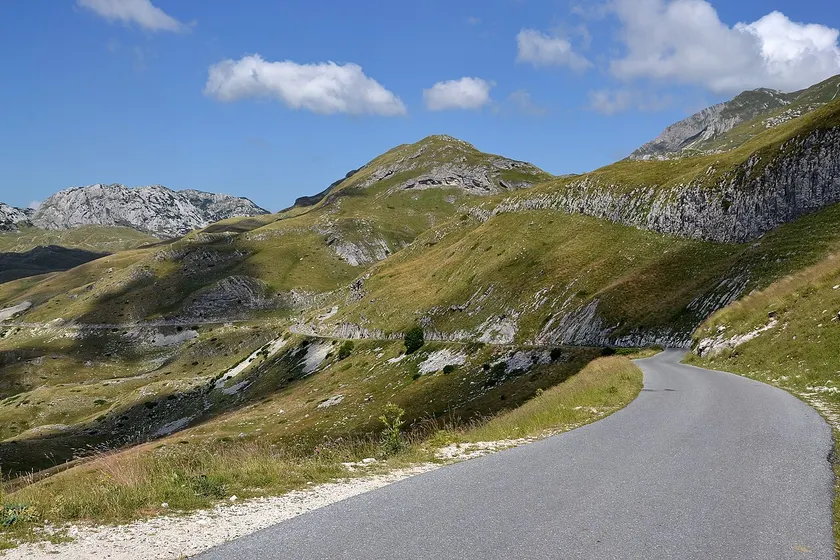
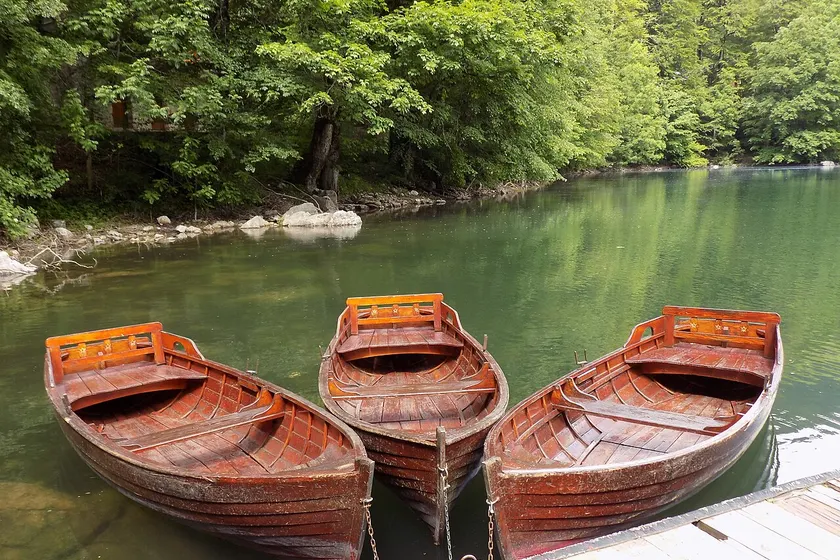
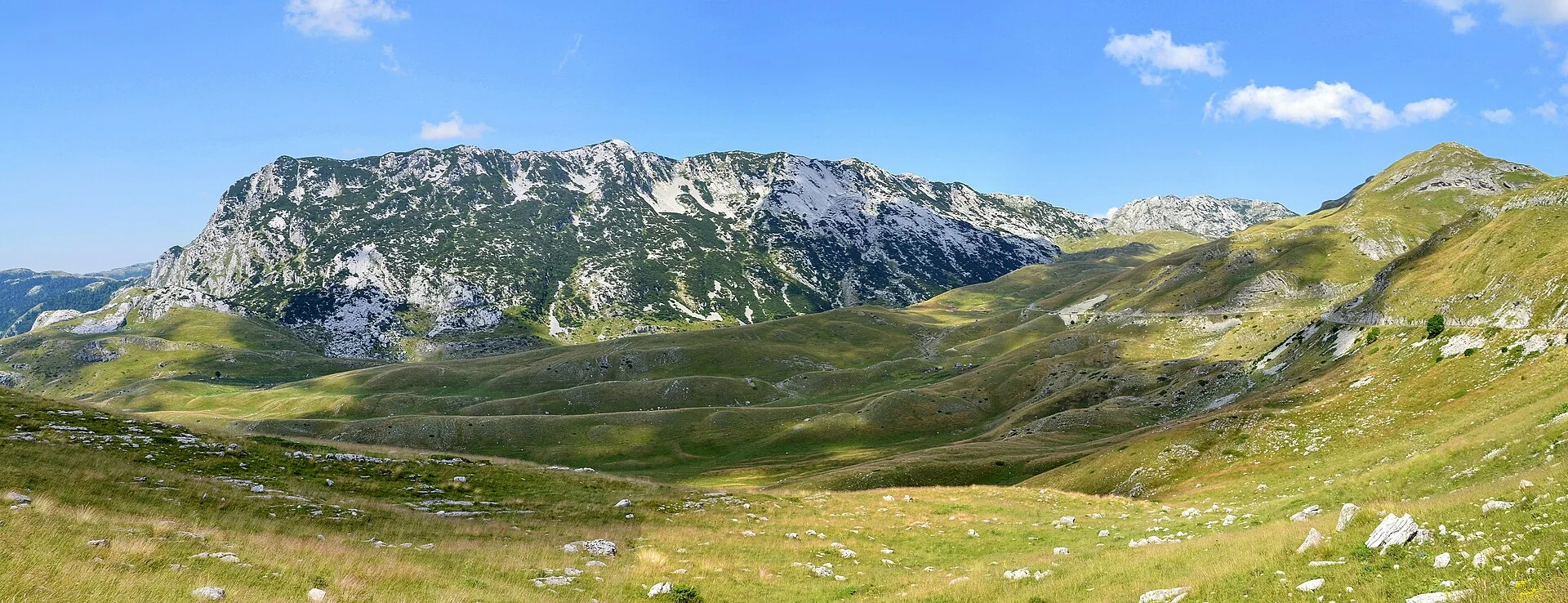
Durmitor offers a broad mountain stay with Black Lake as a gentler starting point and more serious routes beyond. Biogradska Gora brings old forest and lake scenery, with higher Bjelasica routes requiring additional preparation. Lovćen combines cultural visits and walking closer to the coast.
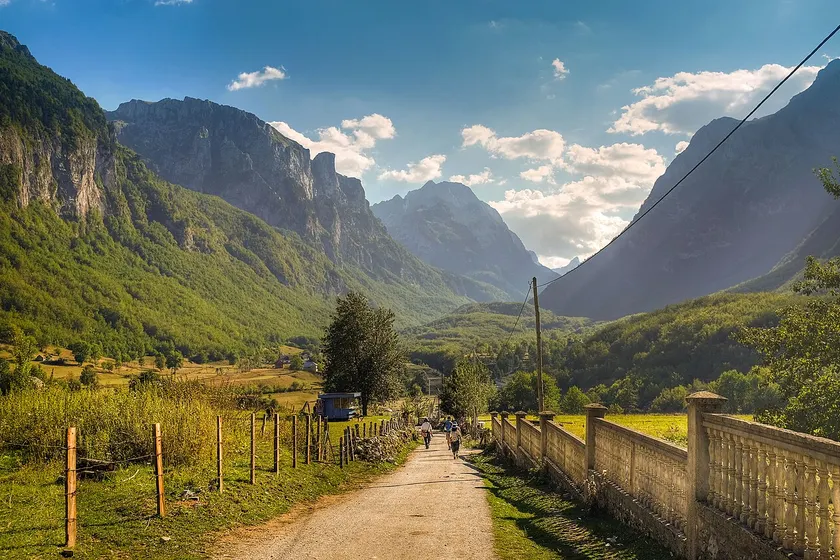
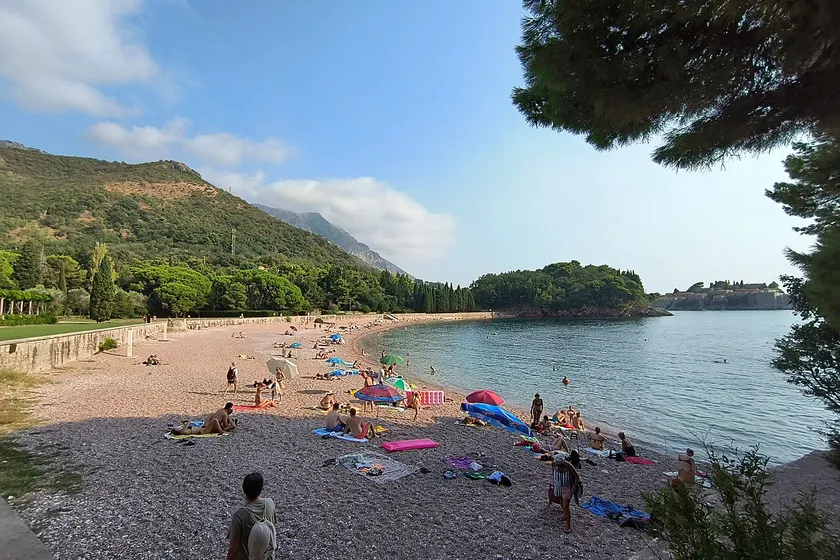
Prokletije deserves deliberate planning for rugged terrain and more remote routes. Coastal climbs can also be strenuous because of heat and steepness, even when the summit is not especially high. Choose a region whose daily logistics and terrain fit your holiday rather than trying to sample every park.
Read the season at the altitude you will visit
Warm weather on the coast does not prove that a mountain trail is free of snow or suitable for ordinary walking shoes. Check a mountain forecast and current local route advice. Spring and autumn can be appealing, but daylight, residual snow and changing services require more careful planning than a general tourism-season description suggests.
In summer, start early enough to avoid rushing and watch for heat or developing storms. Carry a layer and rain protection even on a bright morning. If conditions change, turning back is a successful decision, not a failed excursion. Keep a lower-level alternative available for an unsuitable high-route day.
Use guides where they add real value
A qualified local guide can help with route choice, navigation and interpretation, especially when the terrain is unfamiliar. Ask about the guide's experience with the exact route and the expected group pace. Private guiding can be useful for mixed abilities, but it does not make an unsuitable route safe for everyone.
Compare what is included: transport to the actual trailhead, equipment where relevant, food and park admission. Tell the provider about experience and limitations before booking. Our tour guide explains how to compare an activity's substance rather than choosing solely from a dramatic photograph or a broad adventure label.
Prepare for the whole route and return
Carry enough water and food, appropriate footwear, layers, navigation and a charged phone. Download maps before entering an area with uncertain reception, and tell a responsible person your intended route and return time. Do not depend on a phone battery as your only plan for finding the way back.
For a one-way route, arrange the return transport in advance and understand what happens if you are delayed. Border-crossing trails need specific legal permission and planning; a visible path is not authorisation to cross. Stay on permitted routes and respect park closures, livestock and working rural landscapes.
Make walking enjoyable for families
Choose a route around the youngest or least experienced participant, with space for breaks and exploration. A forest walk around a lake can be more engaging than a long climb whose reward is meaningful mainly to adults. Carry warm clothing for children who stop often and may cool down faster.
Avoid setting a fixed summit promise before seeing the conditions. Keep the day's success tied to being outdoors together, not completing an arbitrary distance. Our family itinerary combines suitable nature experiences with rest, food and cultural stops so that hiking contributes to the holiday rather than dominating it.
Experiences for this part of your trip
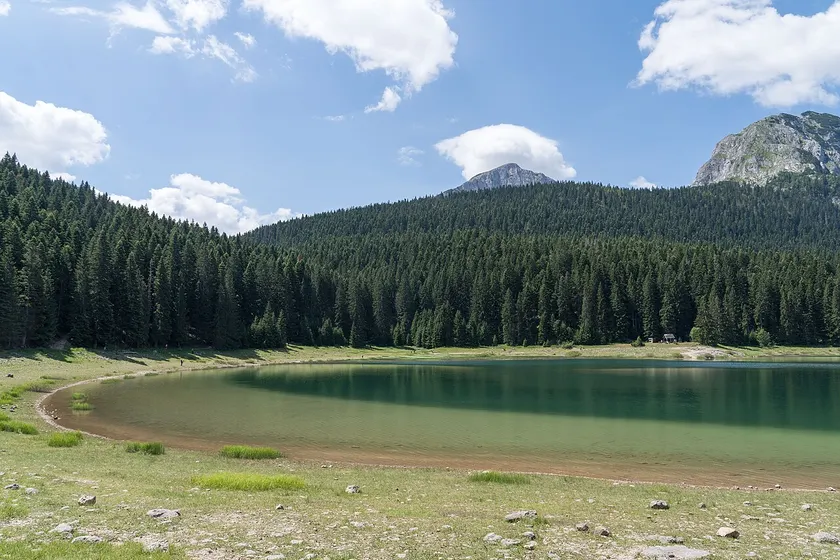
Durmitor snowshoe walk to Black and Zminje lakes
Explore Durmitor in winter on a guided snowshoe outing connecting the Black Lake area with forest scenery towards Zminje Lake. This is an active cold-weather walk rather than a summer stroll with different footwear. Choose it if you are prepared for snow, layered clothing and changing conditions, and keep the route flexible according to the guide’s assessment that day.
Before you book
Confirm snowshoe and pole provision, footwear requirements and current snow conditions. Never assume that a frozen lake is safe to cross; follow the guide’s current route.
Family considerationsThe listing excludes low fitness, mobility impairments and babies under one. Ask for a realistic assessment of older children’s stamina and clothing needs.
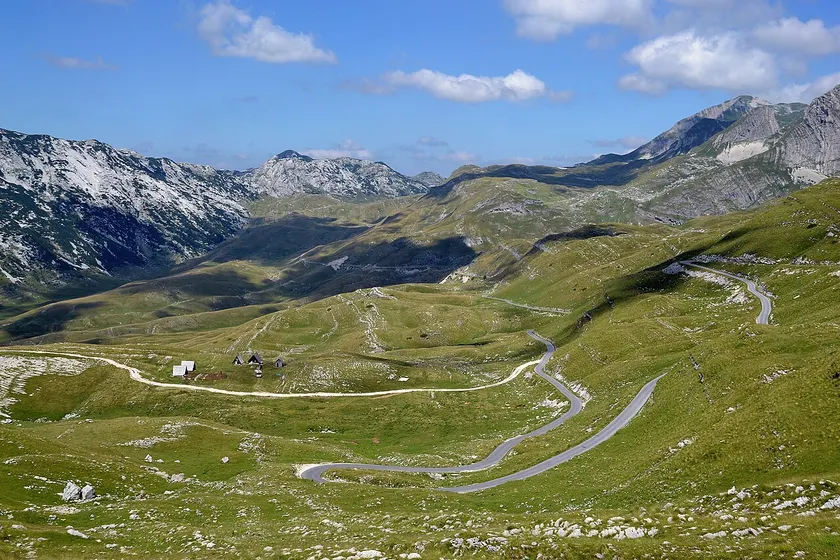
Durmitor National Park jeep safari from Žabljak
Use Žabljak as a base for a guided vehicle journey into Durmitor’s mountain scenery. A jeep outing can connect viewpoints and rural landscapes without requiring a demanding summit hike, making it a different experience from the long coach journeys that start at the coast. Keep a separate day for Black Lake or a walking route if you want time on foot.
Before you book
Confirm the route, road conditions, park fees and vehicle seating. High mountain roads may be affected by snow, weather or seasonal closures.
Family considerationsRequest a suitable child restraint and ask about rough-road sections. A vehicle-based outing still involves getting in and out at uneven viewpoints.
Destination photograph for illustration; not a photograph of the named tour operator or hotel. Open the image credits for the exact location and creator. Some tour links are affiliate links. If you book through them, ExploreMontenegro.com may earn a commission at no extra cost to you. Check live prices, inclusions, age rules and cancellation terms on the provider’s listing.
Frequently asked questions
Can I hike independently in Montenegro?
Many visitors do, but route choice must match experience and conditions. Use qualified local guidance where navigation, exposure or seasonal hazards exceed your ability.
Are mountain trails open whenever the coast is warm?
No. Snow and weather vary with altitude and location. Check current route conditions separately from the coastal forecast.
What is a good first nature walk?
Consider a suitable section around Black Lake or Biogradsko Lake after checking current conditions. Neither should be assumed universally step-free or identical throughout the year.
Sources and official information
Checked against the sources below in November 2026. Confirm access, permits, booking terms and seasonal operations before travel.
ExploreMontenegro.com is an independent guide, not the official tourism board. GetYourGuide links include our affiliate code. Booking.com listings link to external property pages; availability and terms are set by the providers.